Your Step-by-Step Journey to Becoming a Certified Breathwork Facilitator
Have you ever felt a deep pull to help others heal, but weren’t sure where to start? That’s how many people find their way into breathwork facilitator training. Breathwork isn’t just about learning a technique; it’s about learning to hold space for transformation.
I’m Jon Paul Crimi, founder of BREATHE WITH JP, and I teach Circular Breathwork, also known as Conscious Connected Breathwork. It’s a powerful, experiential method that’s completely different from mindfulness or meditation practices. It allows people to release stored emotions, reconnect with their bodies, and open up to their authentic selves.
Step 1: Deepen Your Personal Practice
Before you can guide others, you have to experience the process yourself. The first step is to immerse yourself in regular sessions, either in-person or online. This helps you understand what happens in the body during Circular Breathwork and how breath can shift emotional energy.
Through consistent practice, you’ll notice how your own breath changes your energy, focus, and emotional balance. This inner work becomes the foundation for everything you’ll teach later.
Step 2: Choose the Right Breathwork Training Program
Not all trainings are the same. If you want to truly understand the power of conscious breathing, choose a breathwork training program that focuses on experiential learning. You want hands-on guidance, mentorship, and space to practice leading others.
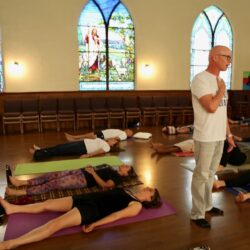
At BREATHE WITH JP, we currently host just two in-person Breathwork Facilitator Trainings per year — one in January and one in September. Both trainings consistently sell out, and they have sold out every year for the past nine years. This is by design. We intentionally keep the groups small — usually under 20 people — because we believe that is the right number for deep learning. It’s small enough for everyone to receive personal attention and mentorship, but large enough that you get to hold space for and observe a wide range of people breathing. By the time you leave, you will have watched and supported anywhere from 8 to 12 people move through full sessions, which is an extraordinary amount of hands-on experience in just four days.
When you register for the in-person teacher training, you will also receive access to the online training afterward, so your learning continues well beyond the four days together.
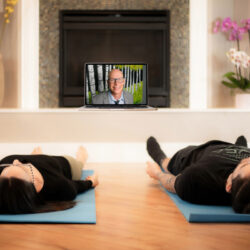
If the in-person dates don’t work for your schedule, the training is sold out by the time you’re reading this, or you simply don’t want to wait — the online training is an incredible option. Jon Paul was the first to offer Breathwork Teacher Training online, and he has continued to update and refine it ever since. It is widely recognized as the number one Breathwork Teacher Training available online.
Whether you choose in-person or online, you’re getting the number one Breathwork Teacher Training available. Click below to explore both options and find the one that’s right for you.
Step 3: Learn to Hold Space
Becoming a facilitator isn’t about controlling the experience; it’s about holding space. You’ll learn to create a safe and grounded environment where people can let go fully.
This skill is taught through practice and real-time feedback. During our breathwork teacher training, you’ll work closely with other participants and learn how to support someone through emotional release, physical sensations, or deep transformation.
It’s one of the most rewarding skills you can develop.
Step 4: Earn Your Breathwork Facilitator Certification
After completing training, you’ll earn your breathwork facilitator certification. This isn’t just a piece of paper; it’s a symbol of your readiness to guide others on their journey. You’ll understand how to design sessions, lead groups, and integrate music, voice, and energy work into your facilitation style.
Once certified, you can begin offering couple sessions, private sessions, group workshops, or virtual classes. Many certified breathwork facilitators also integrate their skills into coaching, therapy, or wellness practices.
Step 5: Keep Growing and Learning
The journey doesn’t end after certification. Every session you lead teaches you something new. The best facilitators stay curious, keep learning, and continue doing their own breathwork practice.
Through ongoing community and mentorship, you’ll keep deepening your awareness and confidence as a facilitator. Breathwork is a living, evolving practice, and so are you.
Why BREATHE WITH JP?
My approach is all about real connection and authenticity. I’ve seen how breathwork facilitator training can change lives, not just for the participants but for those they go on to guide.
If you feel the call to help others heal through the power of breath, this training might be exactly what you’ve been waiting for.
Join me for the January 2026 Breathwork Teacher Training and claim your $500 early bird discount! Spaces are limited, and everyone who completes the four-day training will receive a certificate and the tools to begin facilitating right away.
What to Expect During Your Four Days of Training
If you’ve never attended an immersive training before, you might be wondering what four full days of breathwork education actually looks like. The short answer is: it’s unlike anything else you’ve experienced. From the moment you arrive, you’re stepping into a container built entirely around presence, safety, and growth.
The days begin with grounding. Before we ever talk about technique, we talk about the nervous system. Understanding how the body responds to deep, connected breathing is foundational to everything else. You’ll learn why certain patterns of breath unlock emotional states, how to recognize what’s happening physiologically in a session, and how to stay calm and centered when participants move through intense releases.
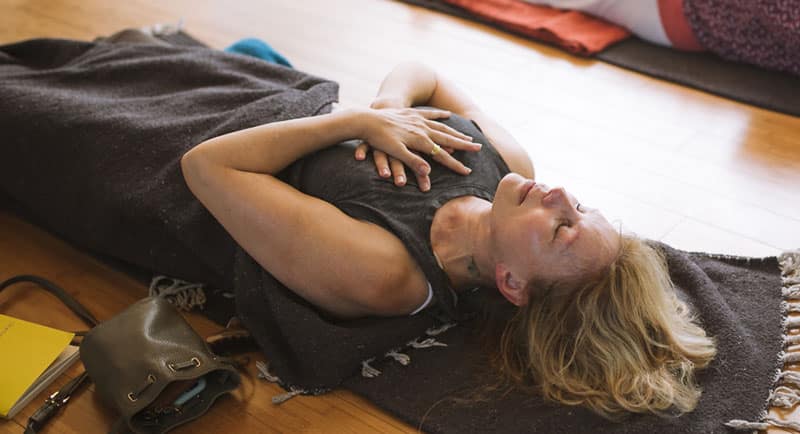
From there, we move into practice. You’ll have multiple opportunities to lie on the mat and go through full Circular Breathwork sessions. This is intentional. You cannot guide others through a process you haven’t deeply lived yourself. Each time you breathe, you’re not just clearing your own energy; you’re building empathy and experiential knowledge that will shape how you hold space for others.
One of the most valuable parts of the training is the live facilitation practice. You’ll take turns leading your fellow participants through sessions, receiving real-time coaching and feedback. This is where the learning gets real. You’ll learn how to use your voice to guide and support, how to adjust your presence based on what’s needed in the room, and how to handle the unexpected with grace and confidence.
We also go deep into the art of curating a session experience. Music is one of the most powerful tools a breathwork facilitator has at their disposal. You’ll learn how to build playlists that move with the emotional arc of a session, how to use silence intentionally, and how to layer sound to support different phases of the breath journey. These creative skills set your work apart and help participants feel held every step of the way.
Each training day wraps up around 5 PM. After that, the time is yours. You might want to go back to your room and rest, quietly integrate what moved through you that day, or hang out and connect with your fellow students. Don’t underestimate those after-hours moments — the bonds that form in these trainings are truly something special, and many people leave with lifelong friendships and professional relationships they never expected.
There is also a little bit of homework each evening. You’ll work on memorizing your facilitation script so it starts to feel natural in your body, not just your head. You’ll also spend some time writing out a list of people you plan to do sessions with as soon as you get home — and yes, we mean immediately. The moment after training is the best possible time to start. The material is fresh, your energy is high, and the momentum is real. Don’t wait. The practitioners who jump in right away are the ones who grow the fastest.
By the final day, you will have breathed deeply, cried, laughed, held space, and been held. You will leave not just with a certificate, but with a felt sense of what it means to be a breathwork facilitator in practice. The tools you receive are not theoretical; they are lived, embodied, and ready to be shared.
This training is for people who are serious about doing the work and bringing something meaningful into the world. Whether you’re brand new to the practice or you’ve been breathing for years, these four days will accelerate your path and give you the clarity, skills, and confidence to begin guiding others.
The world needs more people who know how to hold space. It needs more healers, more guides, more people willing to sit with others in the fullness of their experience. If that’s you, I hope to see you in January. Come ready to breathe, to learn, and to step into the next version of yourself.
Frequently Asked Questions
Q1: What’s the difference between a breathwork facilitator and a coach?
A facilitator focuses on guiding people through conscious breathing sessions, while a coach might use broader wellness or mindset tools.
Q2: Do I need prior experience before joining the training?
No. Whether you’re brand new or have practiced before, the program will teach you everything you need to become confident in facilitation.
Q3: How long does it take to become a certified facilitator?
After completing the four-day breathwork teacher training, you’ll receive your certification and can start practicing right away.
Q4: Is this training suitable for therapists or wellness practitioners?
Absolutely. Many participants integrate this work into therapy, yoga, or coaching practices to enhance their client sessions.
Q5: Can I teach after earning my certification?
Yes! Once you’ve completed your breathwork facilitator certification, you’ll be a certified breathwork facilitator ready to lead sessions both in person and online.