Most people who find a breath coach weren’t looking for one. They were looking for something else, relief from anxiety, a way through grief, a tool for the stress that therapy had helped explain but hadn’t quite dissolved, and the breath coach was what the search eventually led them to.
That path is worth understanding, because it says something real about what a breath coach actually offers and why the role exists in the first place.
What a Breath Coach Is, and Isn’t
The term gets used loosely in wellness circles, so it’s worth being specific.
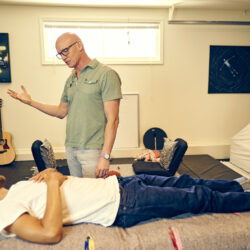
A breath coach is someone trained to guide people through intentional breathwork practices, to hold space for what those practices produce, and to support the integration of whatever comes up across a series of sessions over time.
The “coach” part of the title is meaningful. It implies an ongoing relationship, not a one-time experience. It implies a degree of accountability and continuity that a drop-in class, however good, can’t fully provide.
A breath coach is not a therapist. They don’t diagnose, treat, or offer clinical mental health support. But a good breath coach understands the nervous system well enough to work with it directly, and what the body releases during a well-facilitated breathwork session often produces results that years of talk therapy hadn’t reached.
Not because breathwork is superior to therapy, but because it’s working on a different layer. The body layer. The stored, pre-verbal layer where a lot of what drives behavior and emotional reactivity actually lives.
The other thing a breath coach is not, a relaxation guide. Breathwork done properly is active. It asks something of you physically and emotionally. A breath coach is the person who creates the conditions for that work to happen safely and guides you through the hardest parts of it, which is not the same thing as teaching you to feel calm.
The Specific Practice a Breath Coach Teaches
There are many approaches to breathwork, and understanding types of breathwork helps clarify what different practitioners offer and what results you can reasonably expect from each.
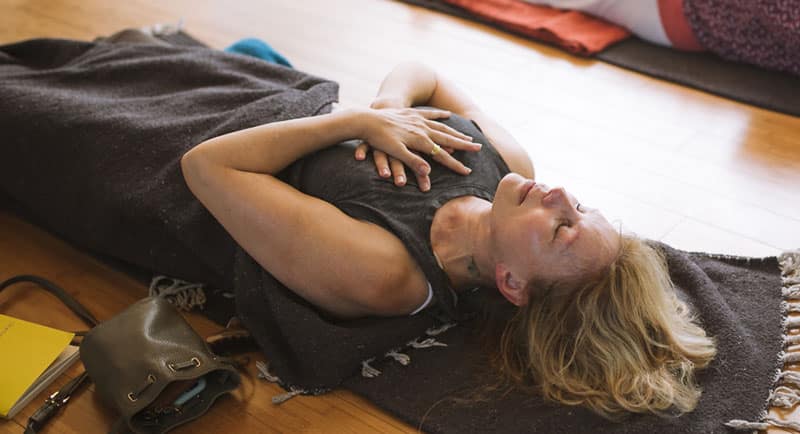
The technique that consistently produces the deepest results is circular connected breathing, also called conscious connected breathing. You lie flat on your back, breathe in and out through the mouth continuously with no pause between the inhale and the exhale, and you sustain that rhythm for approximately 28 minutes in a full session.
The breath is the primary tool. The breath coach’s role during the session is to keep you in that rhythm, cue you through the resistance that arises, and hold the space for whatever the practice brings up.
The brain state that circular connected breathing produces is called transient hypofrontality. The prefrontal cortex, the seat of inner commentary, self-criticism, planning, and anxiety, downregulates during the active breathing.
The result is a quality of presence and openness that most people haven’t experienced in ordinary waking life. That’s the state a skilled breath coach creates conditions for. And the emotional and somatic release that happens in that state is often what clients describe as the most significant shift they’ve felt in years.
What the Coaching Relationship Actually Does
Here’s what makes working with a breath coach different from attending a class or doing sessions from a recording.
In a class, you’re one of many. The facilitation is held for the group. In a one-on-one coaching relationship, the session is calibrated to you specifically.
A breath coach who knows your history, your patterns, what came up in the last session and what you’ve noticed since, can hold the space differently than a facilitator who met you five minutes before the session started. That context changes the depth of the work.
The relationship also provides accountability in the best sense of that word. Not the anxious, performance-based kind. The kind that comes from having someone who knows what you’re capable of and holds that knowledge steady even when you’ve forgotten it yourself. A breath coach sees you across time.
They see the patterns that are shifting, the resistances that keep surfacing, the places where the work is landing and the places where it isn’t. That perspective is genuinely useful in a way that a single session simply cannot provide.
For people working through something significant, chronic stress and anxiety that hasn’t responded to other approaches, grief with no clean edges, the emotional residue of years of pushing through rather than processing, the ongoing relationship with a breath coach is often what makes the difference between a meaningful experience and a meaningful change.
What Personal Growth Actually Looks Like in This Context
Personal growth is a phrase that gets applied to almost everything in the wellness world, so it’s worth being specific about what it means in the context of working with a breath coach.
The first few sessions tend to produce significant physical sensation and emotional release. That’s the body starting to unload what it has been holding.
People often notice changes in how they sleep, how reactive they are under pressure, and how they feel in their own body almost immediately. That’s real, and it’s worth something. But it’s not the growth. The growth is what happens after that foundation is laid.
Over weeks and months of consistent sessions, something starts to shift at the baseline. The default level of tension in the body decreases. The lag time between a trigger and an outsized reaction lengthens.
The internal commentary, the constant low-grade narration of self-doubt or anxiety or rehearsed resentment, gets quieter. Not through effort, not through discipline, but because the nervous system is genuinely changing. The body is holding less. There’s more room.
That’s what working with a breath coach produces over time. Not insight, exactly. Not understanding in the cognitive sense. A physical change in how much the body is carrying and how available you are to your actual life as a result.
The people who see the most significant personal growth through breathwork are almost always the ones who showed up consistently.
A single session can move something real. Consistent work with a breath coach moves the baseline. Understanding how often to practice gives you the structure to make that consistency achievable without burning out before the compounding starts.
Who Seeks Out a Breath Coach
The range of people who work with a breath coach is wider than most people expect when they first encounter the practice.
People managing anxiety and chronic stress represent a significant portion. The nervous system regulation that breathwork produces is direct and immediate in a way that cognitive approaches, however valuable, aren’t always able to match.
People who have spent years understanding their anxiety intellectually and still feel it in their chest every morning often find that breathwork addresses the body layer that understanding never reached.
People in recovery from addiction are another significant group. Breathwork gives the body a powerful tool for moving through the emotional weight underneath the dependency without replicating the conditions that made the substance appealing in the first place.
The ability to access a genuine altered state, to feel relief that is real and embodied and not chemically dependent, is profoundly useful in that context.
People who feel emotionally flat, disconnected, or operating well below their actual capacity also come consistently. Not because anything is dramatically wrong but because they’ve been managing their lives through their heads for so long that the body barely registers anymore.
A breath coach brings them back into contact with their own experience. That reconnection, from people who thought they were fine, is often more profound than they expected.
And people who have tried everything else. Therapy for years. Medication. Meditation. Exercise. All of it helpful to varying degrees. The breath coach is what they found when they were still looking for the piece that reached what the others hadn’t.
The practice has a way of releasing trauma stored at a level the thinking mind can’t access alone, and that’s exactly what those clients were looking for without quite having the words for it.
What to Look for in a Breath Coach
Not everyone who calls themselves a breath coach has the training or experience to back it up. This matters more in breathwork than in some other wellness modalities, because the practice can produce genuinely intense experiences.
A breath coach who doesn’t know what they’re looking at when someone has a strong response in a session, or who doesn’t understand the contraindications well enough to screen for them, is not providing safety. They’re providing something that looks like safety.
Look for a breath coach with real experience, specifically in the technique they’re offering. Not general wellness experience.
Real, repeated, supervised experience guiding people through the full depth of circular connected breathing, including the moments that require steady nerves and clear knowledge.
Look for a breath coach who can explain what’s happening in the body and brain during a session in plain language, without spiritualizing it or avoiding the science.
If a breath coach can’t tell you what transient hypofrontality is, or what tetany is and why it happens, or what the physiological basis of the emotional release is, they don’t have the knowledge base the work requires.
And look for a breath coach who has done the work themselves. Not once. Repeatedly. The capacity to hold space for someone else in an intense experience comes from having been in that experience yourself.
That’s not a credential that can be listed on a website. But you can feel it in the quality of presence when you’re in the room with someone who has it. At Breathe with JP, that standard of preparation is the floor, not the ceiling.
The Simplest Way to Say It
A breath coach is not a luxury for people with a lot of time and disposable income for wellness. They’re a guide for anyone who has noticed that understanding their situation hasn’t been enough to change it, and who is ready to work at the level where the change actually lives. The breath is the tool.
The coaching relationship is what makes the sustained use of that tool possible. And the result, for people who show up consistently and stay with the practice when it asks something of them, is the kind of personal growth that shows up not in what you think about yourself but in how you actually move through your life.
A breath coach helps you find that. And most people who find it can’t imagine going back to the way things were before.
Frequently Asked Questions (FAQs)
1. What Does a Breath Coach Actually Do in a Session?
A breath coach guides you through a structured breathwork practice from start to finish. Before the active breathing begins, they walk you through the technique, explain what to expect physically and emotionally, and screen for any contraindications.
During the session, they cue your breath throughout, help you through resistance when it arises, and hold the space for whatever the practice brings up. Afterward, they guide the rest and integration period and may check in about your experience. The whole session typically runs 75 to 90 minutes.
2. How Is a Breath Coach Different from a Breathwork Class?
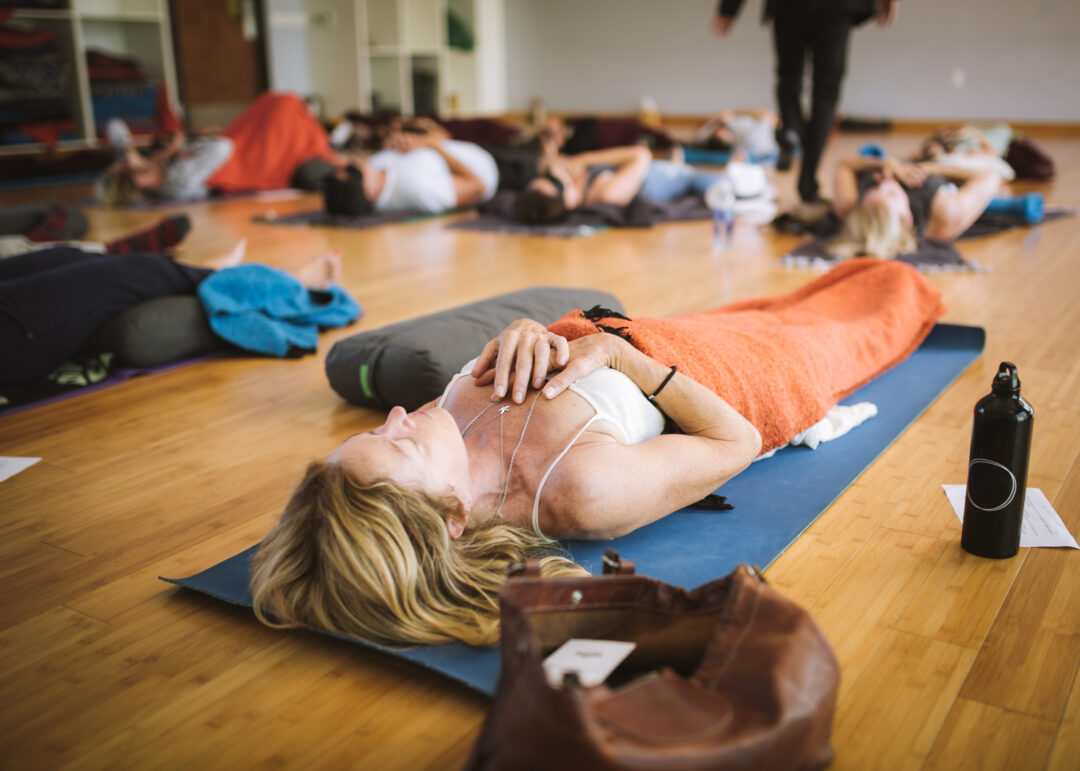
A class is facilitated for a group. A breath coach works with you individually, which means the session is calibrated to your history, your current state, and what has come up in previous sessions.
The coaching relationship also provides continuity, a breath coach who knows you over time holds a different kind of space than a facilitator meeting you for the first time. For people working through something significant, that continuity often makes the difference between an interesting experience and a genuinely lasting change.
3. How Many Sessions Do I Need with a Breath Coach to See Results?
Most people notice something meaningful in the first session. Real, lasting change at the baseline tends to emerge over a series of consistent sessions, typically across several weeks or months. The sessions compound. Each one builds on what the last one cleared.
There’s no fixed number because the work is responsive to where you are, not to a predetermined curriculum. Starting with a commitment to a few sessions rather than treating the first one as a trial runs is the approach that produces the strongest results.
4. Is Working with a Breath Coach Safe?
Yes, when the breath coach has adequate training and conducts proper intake screening. Circular connected breathing is safe for the vast majority of healthy adults. There are specific contraindications, certain cardiovascular conditions, late-stage pregnancy, active psychosis, that a responsible breath coach screens for before any session.
Physical sensations like tingling and temporary muscle cramping are common, well-understood, and not dangerous. A well-trained breath coach explains all of this before the session begins so nothing that arises is a surprise.
5. Can a Breath Coach Help with Anxiety and Stress Specifically?
Yes, and for many people it’s the most effective tool they’ve found for both. Breathwork operates on the nervous system directly, which means it addresses the physiological roots of anxiety and stress rather than just the cognitive layer sitting on top of them.
People who have spent years understanding their anxiety without being able to consistently move through it often find that working with a breath coach produces relief that their other practices hadn’t reached. The results are typically felt immediately after the first session and deepen with continued work.