If you’ve been thinking about getting a breathwork certification, you’ve probably already noticed how confusing the landscape is.
There are dozens of programs out there, different techniques, different structures, wildly different time commitments, and a price range that goes from reasonable to “why does this cost more than a semester of college.” Figuring out which one is actually worth your investment takes more than a Google search.
This isn’t a post that tells you all breathwork programs are equally good and you just need to follow your heart. Some programs are genuinely excellent. Some are not. And there are a few specific things worth understanding before you hand over your money and your time.
Why the Breathwork Certification Space Is So Confusing
Breathwork is an umbrella term, which is part of the problem. It’s like saying “fitness.” You could mean yoga, powerlifting, CrossFit, or walking around the block. The word alone doesn’t tell you enough.
Within breathwork specifically, there are many different techniques, and within those techniques, there are even more brand names, trademarked systems, and self-styled methods, all of which claim to be the most effective, the most authentic, the most transformational. A lot of them have certification programs attached.
The result is a market that can feel genuinely overwhelming, especially if you’re coming to this from a place of real personal experience with the practice and a sincere desire to share it with others.
The good news is that once you know what questions to actually ask, the right choice becomes a lot clearer. To understand what makes a solid program, it also helps to understand what the different types of breathwork are and how they differ from one another.
Look at Real Experience, Not Just Credentials
This is the thing most people don’t think to check, and it matters more than almost anything else on the list.
Even less! Some people leading trainings have almost no experience actually leading Breathwork. Some of them are counting hours from other modalities, other healing practices, or adjacent work that isn’t really the same thing.
The breathwork certification space is largely unregulated, which means there is nothing stopping someone from packaging a weekend course and calling it a comprehensive training.
Fifteen years of actual experience leading breathwork is a different thing entirely. Not fifteen years in wellness broadly, not fifteen years that include a couple of years of breathwork on the side. Fifteen years of consistently leading breathwork sessions, with real people, in real group settings, working through real emotional material.
That kind of experience shapes how you handle what comes up in a room. It shapes your safety instincts, your ability to read a group, your understanding of what different bodies and nervous systems do under the technique.
When you’re evaluating any breathwork certification, ask directly, how many years has this person actually been leading breathwork specifically? And how large and how frequent were those sessions? The answers will tell you a lot.
The Multi-Level Trap
This is one I feel strongly about, because I’ve seen it frustrate a lot of people.
Some programs are structured so that the initial certification is really just the entry point into a longer series of levels, modules, and advanced trainings that you’re expected to keep purchasing before you’re considered fully qualified.
It can take years and cost thousands more than the original price suggested. You’re essentially kept under the program indefinitely, paying for access to the next level, then the next one after that.
A good breathwork certification should teach you how to lead sessions safely and effectively, how to create a genuinely transformational experience for your students, and how to handle the range of things that can come up in a group session.
That is a completable body of knowledge. It doesn’t require an endless series of levels. One well-structured training, done properly, should get you to the point where you can go out and do this work with confidence.
If a program’s business model seems to depend on keeping you enrolled forever, that’s worth paying attention to.
The Brand Lock-In Problem
Some certification programs require you to teach under their brand name, use their materials, and operate within their ecosystem. There’s a business logic to it from their side, but it limits what you can build for yourself.
The alternative, which is what I offer at Breathe with JP, is that you get certified, you’re fully qualified, and then you go build whatever you want to build. You can say you trained with me. You can also create your own brand, your own identity as a teacher, your own approach to how you share this work. The certification is yours. What you do with it is up to you.
For most people who come to breathwork with a genuine calling to help others, the freedom to build something of their own is important. Look for programs that hand you the keys rather than keep them.
Safety Track Record Is Non-Negotiable
Breathwork produces real physiological and emotional responses. That’s the whole point. It’s also why safety is the most important thing I think about as a teacher, in every single session, without exception.
Before enrolling in any breathwork certification program, ask about the trainer’s safety record. How many people have they personally led through sessions? Have there been any incidents? How do they handle contraindications? What’s their protocol when someone has an intense emotional response in the middle of a group session?
These aren’t uncomfortable questions. They’re exactly the right ones. Any trainer worth studying under will answer them directly and without defensiveness.
In over 15 years of leading breathwork, including some of the largest in-person sessions ever held, with sold-out classes across multiple countries, I have had zero safety incidents. Not because nothing intense ever happens in my classes.
Because safety is the first thing I prepare for, not an afterthought. That track record matters, and it should matter to you when you’re deciding whose training to take.
For a thorough look at what the research actually says, this piece on whether is breathwork dangerous covers all of it plainly.
Online vs. In-Person: Both Are Real Options
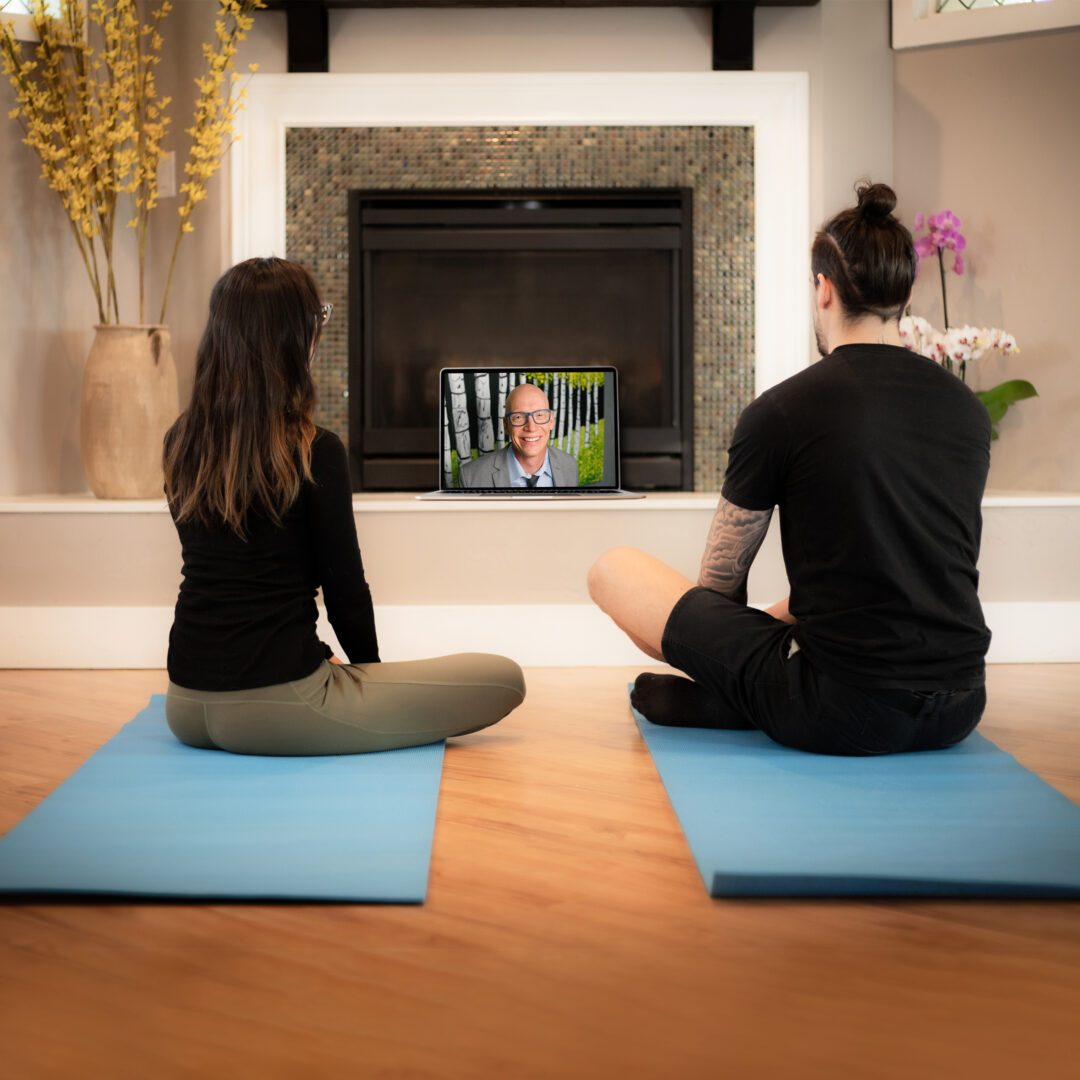
I was among the first to pioneer online breathwork and online breathwork teacher training before most people thought either was possible. The results online are just as real as in-person when the session is run well and the student shows up fully. I’ve seen profound shifts happen through a screen, in living rooms and spare bedrooms across multiple continents.
That said, in-person training has a different quality to it. Being in the room with other people doing this work, feeling the collective energy of a group session, learning to read bodies and faces in real time, these are things you absorb differently when you’re physically present. My in-person trainings have sold out consistently over the past nine years.
The right choice depends on your situation. What matters is that both formats are legitimate, both can produce fully qualified teachers, and a good program will give you what you need in either setting. Look for a trainer who has actually proven both, not just one.
What You Should Walk Away With
A breathwork certification worth having should leave you with a few specific things.
You should understand the technique deeply enough to explain it clearly to a complete beginner, and to demonstrate it correctly every time. You should know how to hold space for emotional release without making it about you or trying to manage it away.
You should understand the contraindications and be completely clear on who should not be practicing without medical guidance. You should know what to do when something unexpected happens in a session, because things will happen, and your response in those moments is what defines you as a facilitator.
Beyond the practical skills, you should also feel the practice in your own body consistently. The best breathwork teachers are the ones who keep practicing themselves. Not just teaching it. Doing it. That ongoing personal relationship with the breath is what keeps the teaching alive and honest.
If you want to understand what that personal practice actually looks like and how often you should be doing it, that post is worth reading before you commit to a training program.
Before You Decide
Choosing a breathwork certification is a real commitment of time, money, and trust. It should be treated that way.
The practice itself is extraordinary. The benefits of breathwork for the people you’ll eventually guide are profound enough that getting the foundation right matters enormously. And the foundation starts with who you learn from and whether that person has actually done the work at the level they’re claiming.
Ask the hard questions. Check the experience. Make sure the structure serves you, not just the trainer’s business model. And look for a program that sends you out ready to lead, not enrolled forever.
That’s what a breathwork certification should do. And when you find the right one, the work you’ll be able to do with it is genuinely life-changing, for your students and for yourself.
Frequently Asked Questions (FAQs)
1. How Long Does a Breathwork Certification Take?
It depends entirely on the program. Some certifications require hundreds of hours spread across multiple levels and can take years to complete. Others are structured as intensive trainings that give you everything you need in a matter of days.
The length alone doesn’t determine quality. What matters is whether the training actually prepares you to lead sessions safely and effectively when it’s done.
2. Do I Need Prior Experience with Breathwork Before Getting Certified?
Not necessarily. Many people come to a breathwork certification having done a handful of sessions, or sometimes just one.
What you do need is genuine personal experience with the practice, enough to know what it actually does in the body before you start guiding others through it. The best trainings will also include significant personal practice as part of the program itself.
3. Can I Build My Own Brand After Getting Certified?
This depends on the program. Some certifications require you to operate under the trainer’s brand. Others give you full freedom to create your own identity as a teacher and build whatever practice you want. If building your own brand matters to you, which for most people it does, confirm this explicitly before enrolling.
4. How Do I Know If a Breathwork Trainer Is Actually Experienced?
Ask directly. How many years have they been leading breathwork specifically? How frequently and how large were their sessions?
Do they have a safety record they can speak to? These questions are reasonable and a trainer with real experience will answer them without hesitation. Be cautious of experience claims that blend breathwork with unrelated wellness work to inflate the numbers.
5. Is an Online Breathwork Certification as Valid as In-Person?
Yes, provided the program is well-structured and the training is comprehensive. Online breathwork certification has been a proven format for years now. The key is the quality of what’s taught, the depth of the personal practice included, and the experience of the trainer delivering it.
The screen doesn’t limit the learning when everything else is solid. A good breathwork certification is what you make of it, wherever you complete it.